Table of Contents
- What You Need Before You Send an Invoice
- Step-by-Step: How to Send Your First Invoice
- 1. Pick how you'll create the invoice
- 2. Fill in the non-negotiable fields
- 3. Attach the contract or confirmation
- 4. Send from a professional email
- 5. Set a real due date and follow-up trigger
- 6. Follow up like a professional, not a friend
- Common Mistakes First-Time Creators Make
- Final Thoughts
- Frequently Asked Questions
- How do I invoice a brand for a sponsored post?
- Do I need a GST number to invoice brands in India?
- What payment terms should new creators use?
- What if a brand doesn't pay on time?
- Can I invoice without a registered business?
- Do I need invoicing software for my first deal?
The DMs go quiet the moment a brand deal turns real. You negotiated a rate, posted the Reel, delivered the usage rights — and now you're staring at a blank document wondering what a creator invoice is even supposed to look like. Most creators learn this the hard way: by sending a screenshot of a Notes app note and waiting six weeks for a marketing coordinator to notice.
Sending your first invoice as a creator isn't complicated, but it has to look like it came from someone who's done this before. Here's exactly how to do it.
What You Need Before You Send an Invoice
Before you open any template, confirm you actually have these five things — most payment delays trace back to one of them being missing:
- A signed contract or written scope of work. Even a confirmation email works ("Yes, ₹15,000 for 1 Reel + 2 Stories, Net 15") — you need something that states the agreed rate and deliverables in writing.
- Proof the deliverables are live and approved. Screenshot the post, note the publish date, and get an explicit "approved" from your brand contact if the contract requires it.
- The correct billing contact. This is very often not the marketing manager who DMed you — ask for the accounts payable or finance email directly.
- Your payment details. Bank account and IFSC code, UPI ID, or PayPal email, depending on what the brand's process supports.
- Your GSTIN, if you're registered. Indian brands with any real finance department will ask for a GST-compliant invoice before they release payment — sort this out before deal three, not after.
Step-by-Step: How to Send Your First Invoice
1. Pick how you'll create the invoice
You have three realistic options: a free template (Google Docs or Canva), a dedicated tool, or invoicing software built for freelancers. For your very first one or two deals, a clean template is fine. Past that, the time you save with a proper tool pays for itself — most plans are free at low volume anyway.
2. Fill in the non-negotiable fields
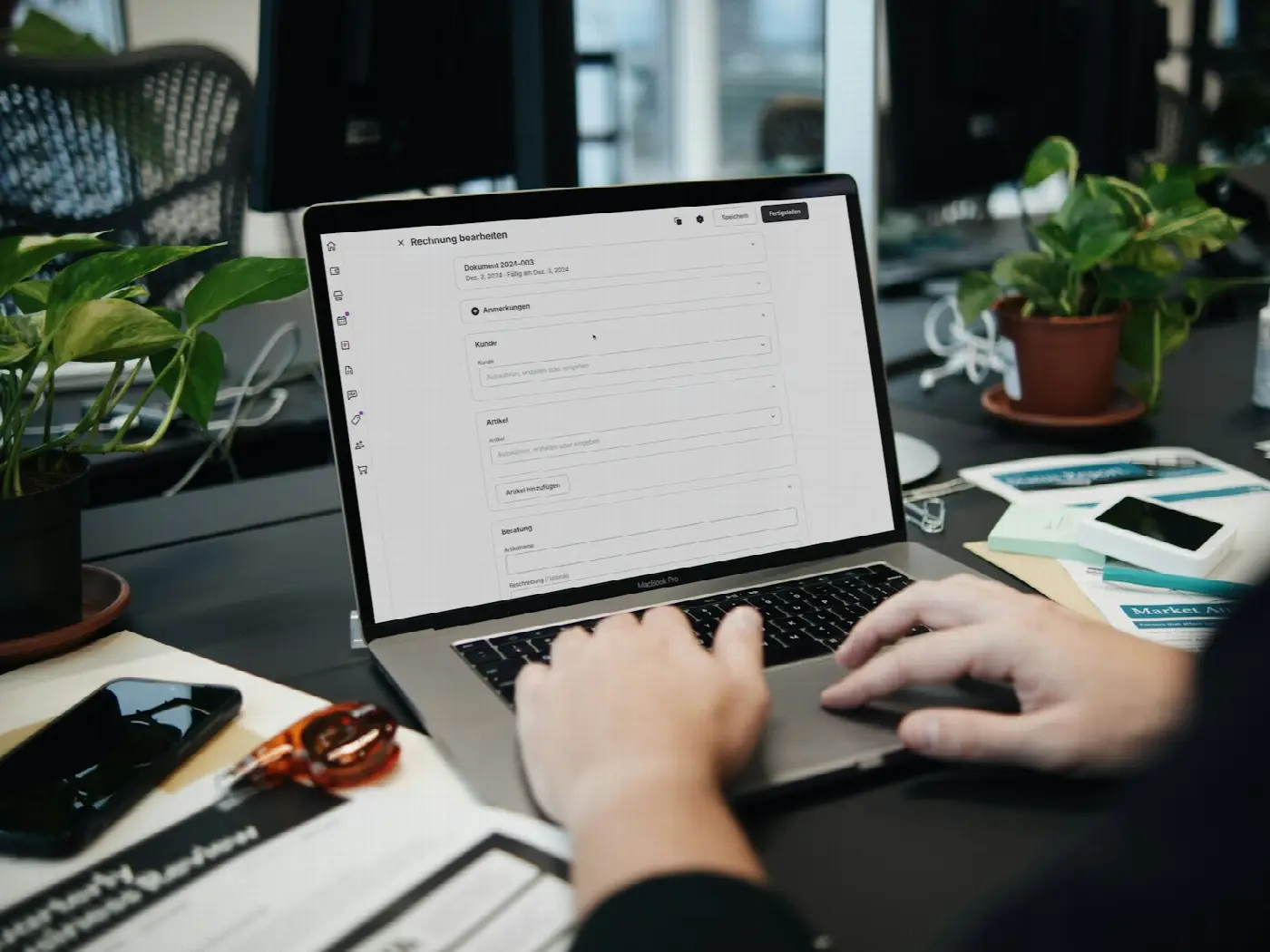
An invoice a brand's finance team will actually process needs every field below. Skip one and expect a "can you resend with X" email that adds another week to your payment timeline.
| Field | Example | Why It Matters |
|---|---|---|
| Invoice number | INV-2026-014 | Lets the brand's AP system track and reference it |
| Your legal/business name | Priya Menon (or your registered business name) | Matches what's on your bank account for the transfer |
| Billing contact & company | Finance Team, XYZ Skincare Pvt Ltd | Sending to the wrong inbox is the #1 cause of "lost" invoices |
| Itemized deliverables | 1x Instagram Reel, 2x Story frames, usage rights (30 days) | Vague line items ("content – ₹15,000") get bounced back for clarification |
| Rate & total | ₹15,000 + GST if applicable | Should match your contract exactly, no rounding |
| Payment terms | Net 15, due 2026-07-29 | Sets an enforceable deadline, not a vague expectation |
| Payment method | UPI ID / bank details | Removes the "how do we pay you" back-and-forth entirely |
3. Attach the contract or confirmation
Reference the agreement directly — "Per our agreement dated July 1" — and attach it or the confirmation email. This single step resolves most disputes before they start.
4. Send from a professional email
An invoice attached to a message from a Gmail handle with your childhood nickname reads as amateur, even if the invoice itself is perfect. If you haven't set up a business email yet, this is the moment it starts paying for itself.
5. Set a real due date and follow-up trigger
Net 15 or Net 30 are the industry standards — pick one and put it in writing every time. Mark a calendar reminder for the day after it's due; don't wait for the brand to remember on their own.
6. Follow up like a professional, not a friend
If payment doesn't land by the due date, send a short, neutral follow-up the next business day: "Hi [name], just checking in — invoice INV-2026-014 was due yesterday. Can you confirm the status on your end?" No apology, no exclamation points. You did the work; this is a routine business email, not an awkward favor.
Tired of Chasing Brands for Payment?
We help creators and small agencies build a repeatable invoicing and contract process so getting paid stops depending on luck.
Common Mistakes First-Time Creators Make
- Invoicing before deliverables are approved. Sending the bill the moment content goes live — before the brand confirms it meets scope — invites disputes that delay payment further.
- No contract backing the number. An invoice with no paper trail behind it is easy for a brand to quietly deprioritize. Always have the agreed rate in writing somewhere before you bill.
- Underpricing to "make it easy." New creators round down or skip GST to seem low-maintenance. This costs you real money and signals you don't run this as a business.
- Using casual payment requests instead of a real invoice. A UPI payment request with no line items or invoice number is easy for a brand's finance team to ignore or lose track of.
- No due date. "Whenever works" isn't a payment term — it's an open invitation to get paid last, after every vendor who gave a deadline.
- Never following up. Brands manage dozens of vendors. A polite, timely nudge isn't pushy — it's what keeps your invoice from falling to the bottom of the pile.
- Ignoring how this compares to actual value delivered. If you're not tracking the ROI you generate for a brand, you have no leverage to push back on late or lowball payments next time.
Final Thoughts
The gap between "brand said yes" and "money in your account" is almost always a process problem, not a relationship problem. A clear invoice with the right fields, a real due date, and a professional follow-up habit will get you paid faster than any amount of chasing on Instagram DMs ever will. Treat every invoice like it's coming from a real business — because at this point, it is.
If you're managing more than one or two brand deals a month, it's worth building the rest of your creator productivity stack around this same discipline — invoicing is just one piece of running the business side of content.
Frequently Asked Questions
How do I invoice a brand for a sponsored post?
Send a numbered invoice with your business details, an itemized list of deliverables (post type, usage rights, revisions), the agreed rate, payment terms like Net 15, and your payment details, addressed directly to the brand's finance or AP contact.
Do I need a GST number to invoice brands in India?
Not always — it depends on your annual turnover and whether the brand requires one for their own compliance. Many established Indian brands will ask for a GSTIN before releasing payment once your deal volume grows, so it's worth registering early if you're going full-time.
What payment terms should new creators use?
Net 15 is a reasonable default for your first few deals — short enough to protect your cash flow, standard enough that no brand will push back on it. Net 30 is common for larger companies with slower AP cycles.
What if a brand doesn't pay on time?
Send a polite, factual follow-up the day after the due date, then escalate with a firmer written reminder a week later. If it stretches past 30–45 days, referencing the contract and mentioning a late fee (if one was agreed) usually moves things quickly.
Can I invoice without a registered business?
Yes — most creators start by invoicing as an individual using their own name and PAN details. You can formalize into a registered business or GST-registered entity once your deal volume justifies the paperwork.
Do I need invoicing software for my first deal?
No — a clean template is enough for your first one or two invoices. Once you're juggling recurring brand deals, invoicing software saves enough time and reduces enough errors that it's worth switching.
Want this executed for you?
Our agency team builds and runs social engines for B2B and SaaS brands.
Written by Mehran Shahmiri
B2B marketing strategist helping SaaS companies build revenue-generating social engines.
Follow on LinkedIn →