Table of Contents
- The 6 UGC Content Types Worth Running in 2026
- 1. Unboxing and First-Impression Videos
- 2. Problem/Solution Testimonials
- 3. Day-in-the-Life Integration
- 4. Comparison and "Why I Switched" Content
- 5. Screen-Recorded UGC (for Software and Apps)
- 6. Text and Review-Style UGC
- How Much Does UGC Actually Cost in 2026?
- Usage Rights: The Part Brands Get Wrong
- Sourcing UGC: 3 Models Compared
- Where UGC Performs Best by Platform (2026)
- Measuring Whether Your UGC Program Is Working
- Frequently Asked Questions
- What is the difference between UGC and influencer marketing?
- How much should a brand budget for UGC in 2026?
- Do I need a contract for UGC content?
- Can UGC work for B2B and SaaS brands, not just D2C?
- How is AI-generated content affecting UGC in 2026?
- Final Thoughts
Knowing the UGC full form is step one. Actually running a UGC program — briefing creators, negotiating usage rights, deciding what to pay, and proving it worked — is where most brands get stuck.
This is the operational guide. Not "what does UGC stand for," but how to build a UGC engine in 2026: which content types to prioritize, how to source creators without overpaying, what rights you actually need, and how to measure results your finance team will accept.
The 6 UGC Content Types Worth Running in 2026
Not all UGC looks the same. Each type serves a different stage of the funnel.
1. Unboxing and First-Impression Videos
The creator films their honest reaction to receiving and opening the product. Highest trust, works best for physical products with a satisfying reveal moment.
2. Problem/Solution Testimonials
The creator describes a specific problem, then shows your product solving it. This is the format behind most winning paid social ads in 2026 — it mirrors how a friend would actually recommend something.
3. Day-in-the-Life Integration
The product appears naturally inside a broader routine video rather than as the sole subject. Lower direct sales intent, but strong for top-of-funnel brand familiarity.
4. Comparison and "Why I Switched" Content
The creator compares your product to a competitor or their old method. Extremely effective for categories with an obvious incumbent (skincare, software, supplements).
5. Screen-Recorded UGC (for Software and Apps)
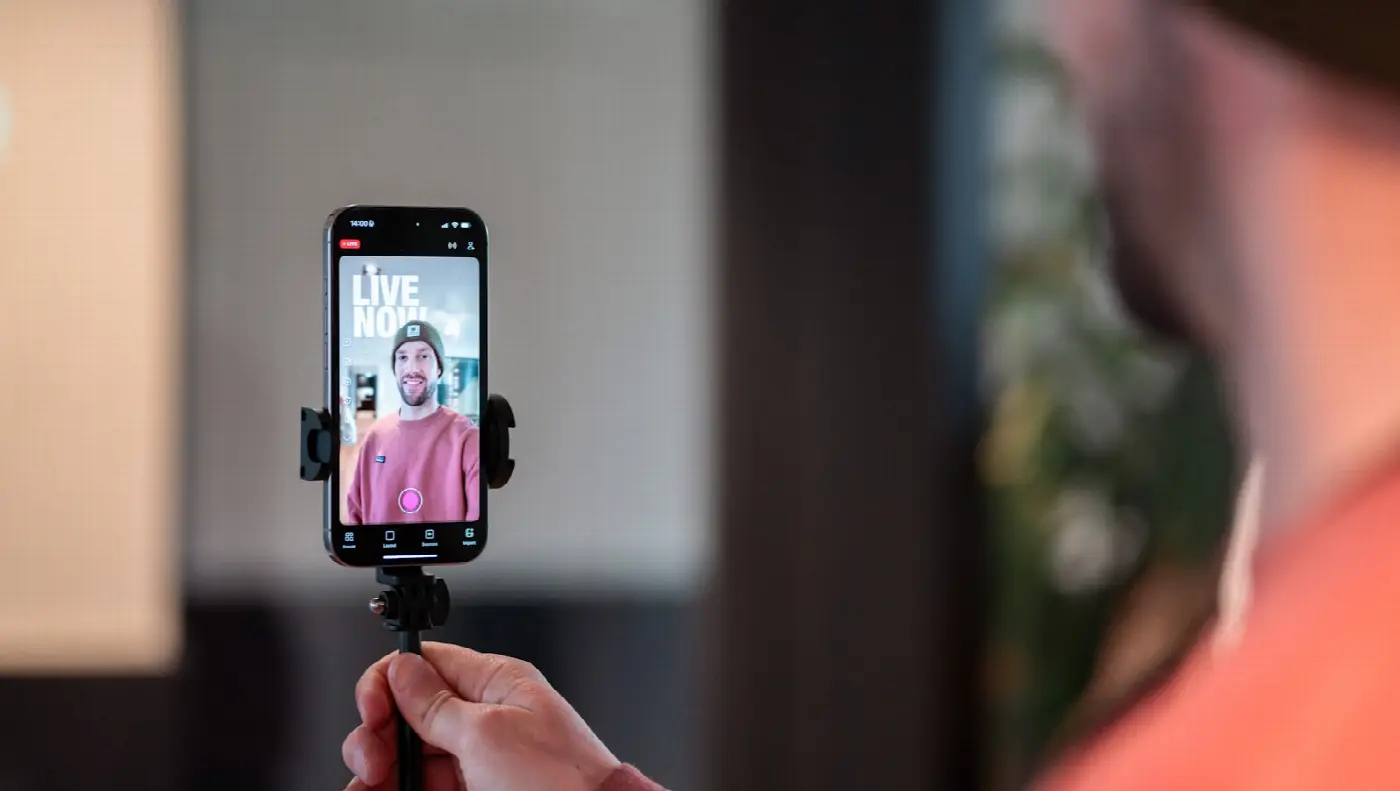
For SaaS and apps, this is the equivalent of unboxing: a creator screen-records themselves using the product and narrating their genuine reaction. If you're a B2B or SaaS brand building this into a broader motion, our SMM guide for 2026 covers where UGC fits alongside paid and organic content.
6. Text and Review-Style UGC
Not every platform rewards video. Genuine written reviews and testimonial screenshots, sourced organically or through post-purchase flows, still perform well as static ad creative and landing page proof.
Ready to Scale Your Content?
Stop burning money on expensive studio shoots. Let our agency build a UGC creator network for your brand.
How Much Does UGC Actually Cost in 2026?
Rates vary by deliverable, not by follower count — remember, you're paying for the content, not the audience. Current 2026 market rates in India and globally:
| Deliverable | Typical Rate (India) | Typical Rate (Global) |
|---|---|---|
| Single UGC video (15-30s, raw footage) | ₹2,000 - ₹6,000 | $75 - $200 |
| UGC video with usage rights (paid ads) | ₹4,000 - ₹12,000 | $150 - $500 |
| UGC video + whitelisting/spark ads rights | ₹8,000 - ₹20,000 | $300 - $1,000 |
| Bundle deal (5-10 videos, one creator) | 15-25% discount vs. per-video rate | 15-25% discount vs. per-video rate |
The single biggest pricing mistake brands make is paying influencer-style rates for UGC-style deliverables. If the creator isn't posting from their own account, you're not paying for reach — negotiate accordingly.
Usage Rights: The Part Brands Get Wrong
This is the most commonly skipped step in UGC sourcing, and it's the one that causes the most legal headaches later.
- Organic-only rights cover the brand reposting the content on its own owned channels (Instagram, TikTok, website). This is usually the default and the cheapest tier.
- Paid usage rights are required the moment you run the video as a paid ad. This is a separate, higher-priced tier — always confirm it explicitly in the brief, in writing, before the shoot.
- Whitelisting / Spark Ads / Partnership Ads let you run the content from the creator's own handle as an ad, which typically performs better than running it from the brand handle. This is the most expensive tier and requires platform-level access from the creator.
- Usage duration should always have an end date (commonly 6 or 12 months). Perpetual, unlimited usage rights should cost meaningfully more — most creators underprice this if you don't ask.
Put all of this in writing before the shoot, not after you've received the files. A one-paragraph rights agreement attached to the brief avoids nearly every dispute.
Sourcing UGC: 3 Models Compared
| Model | Best For | Turnaround | Cost |
|---|---|---|---|
| Organic customer mining | Brands with an existing happy customer base | Ongoing, unpredictable | Near-free |
| UGC marketplaces (Billo, Insense, Backstage) | Brands needing scale fast, testing many hooks | 3-7 days per batch | Medium |
| Agency-managed creator network | B2B or high-volume brands wanting zero operational drag | Ongoing pipeline | Higher, but hands-off |
For the deeper breakdown of what makes each format convert — including the exact hook-to-CTA structure used in the highest-performing UGC ads — see our guide to UGC full form and why it's winning.
Where UGC Performs Best by Platform (2026)
- Instagram Reels and TikTok — native, raw UGC still outperforms polished brand video for reach, largely unchanged from prior years. Vertical, sub-30-second cuts perform best.
- Meta Ads (Feed and Reels placements) — UGC-style creative remains the highest-converting ad format for D2C brands running paid social, particularly problem/solution and comparison formats.
- YouTube Shorts — growing fast as a UGC surface in 2026, especially for screen-recorded software demos and longer-form testimonials repurposed into Shorts.
- LinkedIn — B2B UGC (customer screen-recordings, "why we switched" testimonials from real users) is still underused by most brands and currently has outsized organic reach relative to the competition.
Measuring Whether Your UGC Program Is Working
Vanity engagement metrics don't justify a UGC budget to a CFO. Track these instead:
- Cost per acquisition (CPA) of UGC creative vs. produced creative — run both as paid ads and compare directly. This is the single clearest signal.
- Hook rate — the percentage of viewers who watch past the first 3 seconds. UGC that doesn't win the hook isn't worth scaling regardless of production cost.
- Creative fatigue rate — how quickly performance decays. UGC batches typically fatigue faster than produced ads, which is why volume (many creators, many hooks) matters more than any single "hero" video.
- Organic-to-paid conversion — content that performs organically first, then gets boosted or whitelisted, consistently outperforms content commissioned for paid use from day one.
Frequently Asked Questions
What is the difference between UGC and influencer marketing?
UGC pays a creator for the content asset itself, which the brand then distributes from its own channels or ad accounts. Influencer marketing pays primarily for access to the creator's own audience. A creator with 500 followers can produce excellent UGC; influencer marketing generally requires a meaningful existing audience.
How much should a brand budget for UGC in 2026?
Most brands starting a UGC program budget for 10-20 videos per month at ₹4,000-₹12,000 each (with paid usage rights included), roughly ₹50,000-₹2,00,000 monthly depending on ad spend scale. Brands should test a smaller batch first, identify which creators and hooks convert, then scale spend toward the winners.
Do I need a contract for UGC content?
Yes. At minimum, a short written agreement covering the usage tier (organic-only, paid, or whitelisting), the usage duration, and payment terms. This protects both the brand and the creator and prevents disputes over content used beyond what was agreed.
Can UGC work for B2B and SaaS brands, not just D2C?
Yes, and it's currently underused there. Screen-recorded product demos and short customer testimonial clips from real users function as B2B UGC and often outperform polished case study videos, particularly on LinkedIn.
How is AI-generated content affecting UGC in 2026?
AI-generated "UGC-style" video is increasingly common, but audiences are getting better at spotting it, and platforms are starting to require AI-content disclosure labels. Real creator-shot UGC still carries an authenticity premium that synthetic content hasn't matched, though brands are using AI to speed up scripting and iteration, not to replace the on-camera creator.
Final Thoughts
Understanding the UGC full form takes five seconds. Running a UGC program that actually lowers your cost per acquisition takes a real system: the right content types for your funnel stage, rights secured in writing before the shoot, and measurement tied to CPA rather than likes. Get those three things right, and UGC stops being a trend you're chasing and becomes a predictable, budgeted channel — the same way social media marketing as a whole should be run in 2026.
Want this executed for you?
Our agency team builds and runs social engines for B2B and SaaS brands.
Written by Mehran Shahmiri
B2B marketing strategist helping SaaS companies build revenue-generating social engines.
Follow on LinkedIn →